Deck Maintenance Advice: Keep Your Investment in Top Condition
Deck maintenance is essential for preserving the appearance and longevity of outdoor spaces. Each type of material calls for particular maintenance and oversight. Consistent cleaning and checkups can keep minor concerns from becoming major repair costs. Recognizing when resealing or staining is needed matters just as much. By following proper practices, homeowners can preserve the value of their investments. Grasping these basics lays the groundwork for smart maintenance plans that keep decks in excellent condition for years. Where should one go from here?
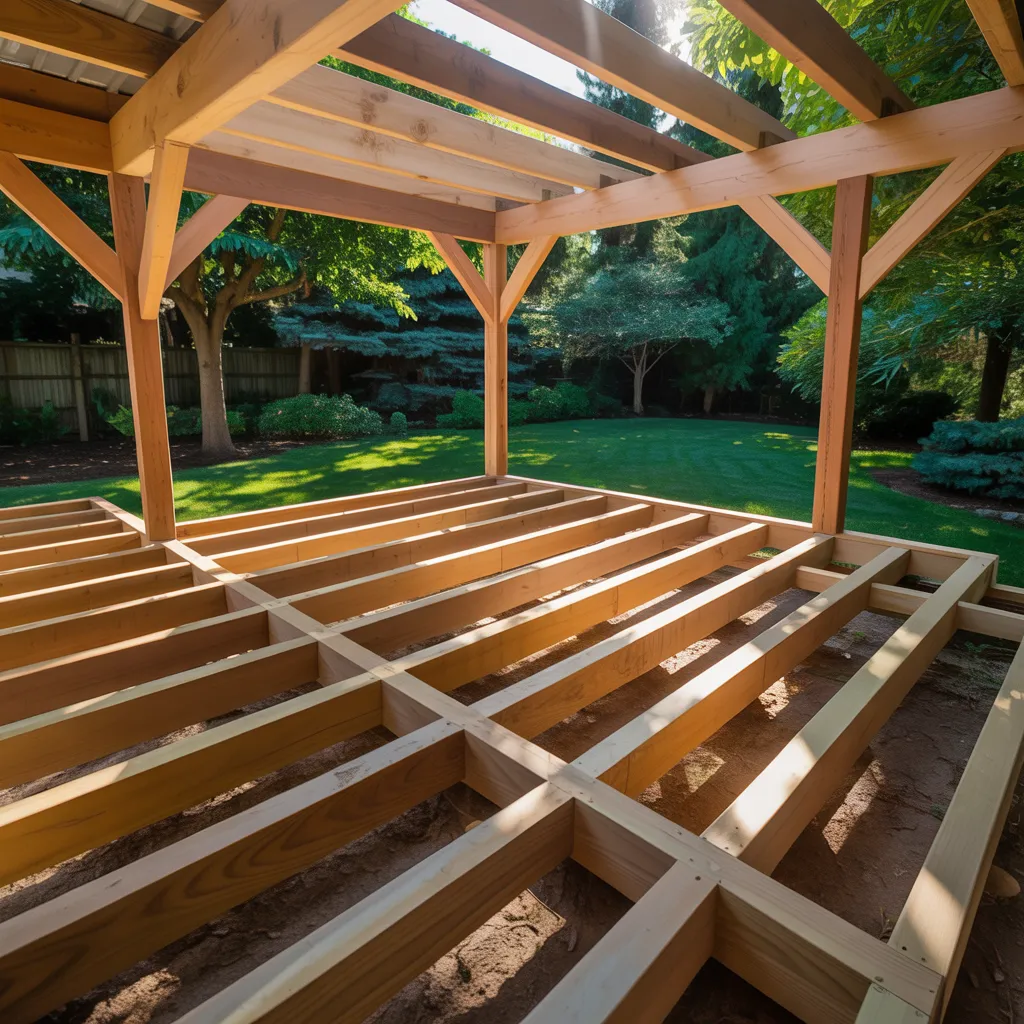
Understanding Your Deck Material: Wood, Composite, or Vinyl
As homeowners evaluate deck upkeep, understanding the material —be it wood, composite, or vinyl— is important. Each type of decking possesses unique properties that influence upkeep requirements.
Timber decks, though visually appealing, demand consistent sealing and staining to protect against moisture and UV damage. Ignoring maintenance can result in deterioration and splintering, making timely repairs or replacements necessary.
Composite decking, constructed using a combination of plastic and wood fibers, provide durability with minimal upkeep. They resist fading and do not require additional staining, but periodic cleaning is essential to avoid mold and mildew growth.
Vinyl decking stands as the most low-maintenance option, impervious to insects and rot. It typically requires just occasional cleaning to keep it looking its best.
Comprehending these differences enables homeowners to adjust their maintenance approaches efficiently, ensuring their decks remain in top condition and maximizing their durability.
Must-Have Tools for Deck Upkeep
A handful of vital tools can greatly simplify deck upkeep tasks. A heavy-duty broom is indispensable for eliminating debris, while a pressure washer efficiently cleans the surface without excessive scrubbing. A deck brush, notably one with rigid bristles, is excellent for handling persistent stains and mildew. For timber decks, a high-quality wood cleaner and a protective sealant are essential for maintaining the wood's integrity.
Moreover, a paint or stain applicator helps guarantee uniform coverage when renewing the deck's finish. Safety equipment like gloves and goggles, should be included as well to protect against debris and chemicals. Lastly, a durable ladder is required for safely accessing elevated areas. Possessing these tools can improve the efficiency of the maintenance process, ultimately prolonging the life of the deck and enhancing its appearance. Regular use of these tools assures that the deck stays a beautiful and functional outdoor space.
Deck Upkeep: How Often Should Your Deck Be Cleaned?
How often should you clean your deck to preserve its appearance and lifespan? Experts recommend a thorough cleaning at least once a year, ideally in the spring or fall. This schedule allows for the removal of dirt, debris, and potential mold growth that can accumulate over time. Routine checkups should additionally be performed every couple of months to spot any problems that might need prompt action.
For high-traffic areas or decks exposed to harsh weather conditions, more regular cleaning may be required. Moreover, if the deck serves as a space for dining or hosting guests, keeping it clean becomes increasingly important.
Deck Cleaning Techniques for Various Materials
Selecting the right cleaning approach for different deck materials guarantees effective upkeep and protection. For timber decks, a blend of light soap and water is typically adequate. A soft-bristled brush aids in removing dirt without damaging the surface. Pressure washing can be utilized with care, keeping the pressure at a low setting to prevent splintering.
Composite decks require a careful cleaning method, typically using a specialized cleaner designed for composites. A non-abrasive cloth or sponge efficiently removes stains without causing scratches to the material.
When it find guide comes to aluminum decks, a basic mixture of soap and water works perfectly, along with a non-abrasive sponge to prevent scratches.
Lastly decks made of vinyl can be cleaned with a mixture of vinegar and water, or a mild all-purpose cleaning solution, before being rinsed clean with water. Every material requires specific care, reinforcing the critical role of specialized cleaning techniques to preserve their longevity and appearance.
Protecting Your Deck From Weather Damage
To maintain a deck stays in ideal condition, safeguarding it against weather damage is vital. Implementing a regular cleaning schedule, applying sealants at appropriate intervals, and exploring UV protection solutions can greatly extend the longevity of the deck. Such preventative steps defend the structure against the forces of nature and maintain its aesthetic appeal.
Regular Cleaning Schedule
Maintaining a consistent cleaning schedule is vital for safeguarding the structural integrity of a deck against the elements. Consistent cleaning removes accumulated debris, dirt, and organic matter that can lead to mold and mildew formation. It's advisable to sweep the deck weekly to prevent buildup, especially during seasons with heavy foliage. Every few months, a thorough wash using a gentle cleaner can effectively eliminate stains and protect the surface. Pairing cleaning efforts with seasonal inspections allows for the prompt detection of any wear or damage. Following this schedule enables deck owners to considerably extend their investment's longevity while keeping its appearance attractive. In the end, consistent upkeep ensures the deck stays a welcoming and secure environment for entertaining and unwinding.
Sealant Application Schedule
Maintaining the longevity of a deck copyrights greatly on the frequency of sealant application. Consistently applying sealant serves as a shield against moisture, preventing wood rot and warping. Experts recommend treating a deck with sealant every one to three years, according to variables such as weather conditions, wood species, and level of use. In regions experiencing heavy rainfall or severe winters, more frequent applications may be necessary. Prior to reapplication, a comprehensive cleaning and damage inspection should be performed. The right sealant can enhance the deck's appearance while providing essential protection from the elements. By following a regular sealant application routine, property owners can be confident their deck remains in top condition, preserving their investment for many years ahead.
UV Shielding Solutions
Numerous homeowners overlook the impact UV rays can have on their decks, yet these rays can significantly deteriorate wood surfaces over time. To protect against this damage, a variety of UV protection solutions exist. High-quality sealants infused with UV inhibitors can work to defend the wood from sun exposure, increasing its durability. Additionally, utilizing a moisture-repelling stain not only enhances the deck's appearance but also offers protection from ultraviolet exposure. For those desiring superior protection, UV-resistant coatings provide exceptional defense and longevity. Routine upkeep, including reapplying these protective treatments, is critical to ensure ongoing defense against the sun's harmful effects. By committing to UV protective solutions, homeowners can preserve the beauty and integrity of their decks.
The Right Time to Reseal or Stain Your Deck
When is the right time to reseal or stain a deck? Homeowners are advised to reseal or stain their deck once every two to three years, based on a number of factors. The species of wood, local weather conditions, and amount of sun exposure all heavily influence the required maintenance schedule. Telltale signs that a deck needs care include discoloration, a coarse texture, and an inability to repel water. A straightforward water test can be used to evaluate the deck's current state; if the water soaks in rapidly, this is a sign that resealing is needed. Furthermore, noticeable cracks or splintering can be a sign that staining or sealing is soon required. Choosing a dry day for application is crucial, with ideal temperatures falling between 50 and 90 degrees Fahrenheit. Through careful observation of these indicators and commitment to a regular upkeep schedule, homeowners can maximize their deck's longevity and sustain its attractive appearance.
How to Detect and Address Deck Damage Like an Expert
Identifying and addressing deck damage is essential for maintaining its longevity and safety. Typical concerns like rot, warping, and loose boards all call for distinct repair approaches. Through awareness of these damage forms and reliable fixes, homeowners can address deck repairs with greater ease and confidence.
Common Types of Damage to Decks
Decks experience a range of damage over time, demanding careful maintenance to ensure their longevity. Frequent damage categories consist of rot, caused by moisture accumulation in wood, commonly discovered at joints or low-lying areas. Splitting and cracking can develop due to temperature fluctuations, leading to weakened framework. Moreover, insect infestations, such as termites, can subtly damage the integrity of the deck. Corroded or unsecured fasteners, like screws and nails, may lead to instability and safety hazards. Sun exposure can deteriorate protective finishes, compromising aesthetics and protection. Lastly, mold and mildew growth can create slippery surfaces and promote decay. Early detection of these problems is critical for upholding deck condition and safety, guaranteeing a properly maintained outdoor area.
Effective Repair Techniques
Identifying and resolving deck damage in a timely manner can avoid costly repairs in the future. It is important for homeowners to routinely examine their decks for evidence of decay, warping, or deteriorating boards. Be mindful of spots near water sources, as moisture often accelerates deterioration. For hairline cracks, a wood filler can repair the affected area, while bigger openings could call for the replacement of affected boards.
When handling discoloration, a gentle power washing treatment followed by a appropriate wood stain can revive the visual appeal. Furthermore, make sure all fasteners are secure; unsecured screws and nails can cause potential instability. For more serious issues, consulting a professional guarantees that repairs are effective and long-lasting, safeguarding the deck's durability and aesthetic quality.

Common Questions and Answers
Is It Possible to Pressure Wash My Deck Without Causing Damage
Absolutely, power washing a deck is definitely doable without damaging the surface, as long as the appropriate technique and pressure settings are used. It is important to maintain a safe distance and apply suitable nozzles and attachments to prevent splintering or surface harm.
What Are the Warning Signs That My Deck Needs to Be Replaced?
Signs that a deck needs replacement include extensive wood rot, significant splintering, loose or missing boards, persistent mold growth, and structural instability. Such concerns imply that simple repairs may not be enough, requiring a full deck replacement to ensure safety.
Can I Safely Use Bleach on My Deck?
Using bleach on a deck is not recommended, as it has the potential to deteriorate the wood and adjacent greenery. Alternative cleaning solutions are safer and more effective, preserving the deck's integrity and appearance over time.
How Do I Choose the Right Stain Color?
To select the best stain shade, you should consider the surrounding exterior components, intended visual style, and wood type. Testing samples on a small area assists in picturing the overall outcome before committing to a choice.
Can My Composite Deck Be Painted?
Yes, composite decks can be painted, although this is usually not the best course of action. The painting process may invalidate warranties and result in peeling. Instead, using a specialized composite deck stain is often a better option for maintaining appearance.